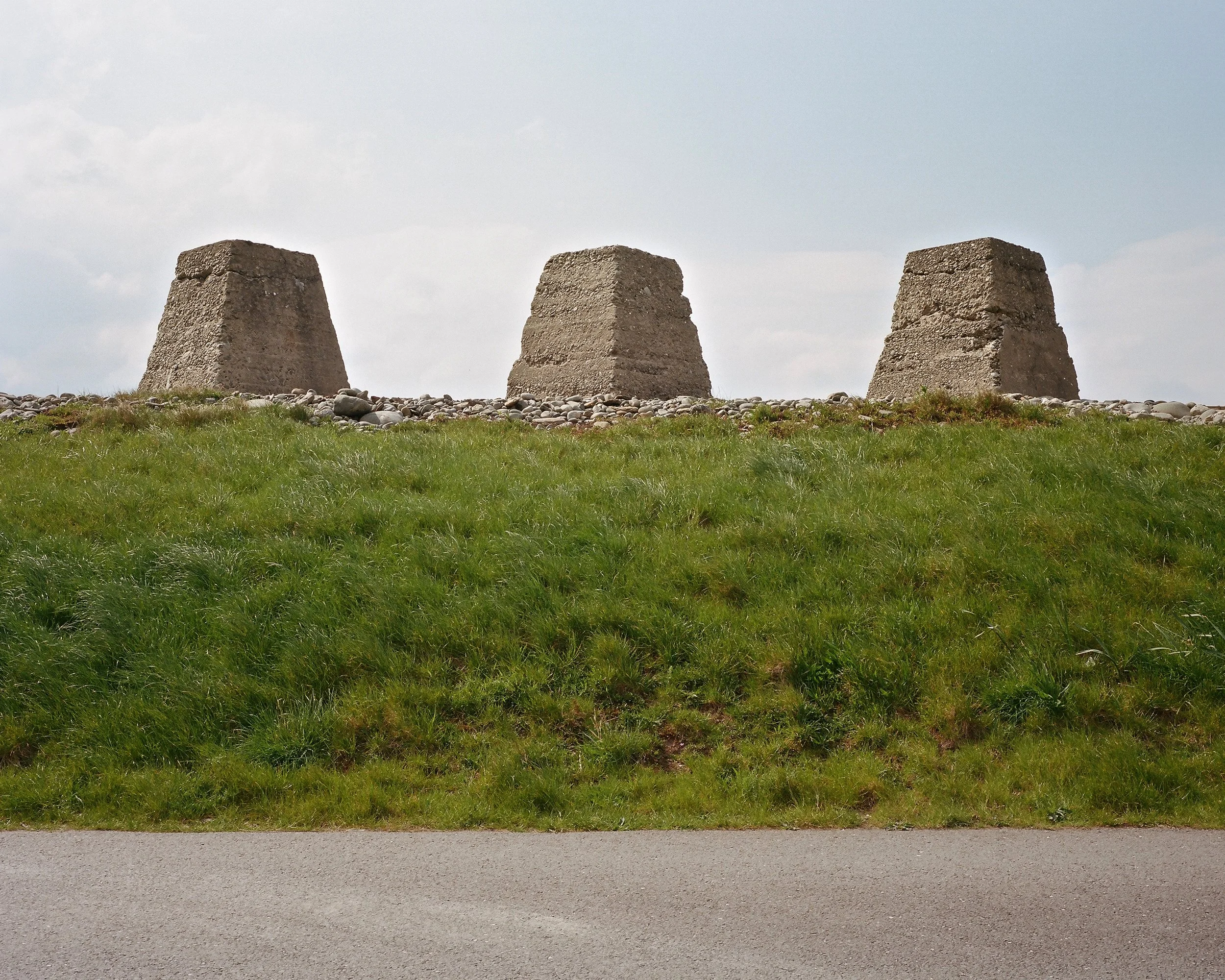
Fairbourne is one of the first communities in Britain proposed for managed retreat in response to projected sea-level rise. These photographs explore a place inhabited in the knowledge of an uncertain future.
Fairbourne is a small coastal village on the shores of Barmouth Bay in Gwynedd, North Wales. Built on reclaimed marshland during the late nineteenth century, the village is bordered by the Irish Sea to the west, the Mawddach Estuary to the north and extensive tidal marshland to the east. For more than a decade, Fairbourne has occupied a unique position within the national conversation surrounding climate change, coastal erosion and the long-term future of vulnerable coastal communities.
This ongoing project began in 2022, when Fairbourne was widely regarded as the first community in the United Kingdom likely to face managed retreat as a consequence of rising sea levels. Over several months, I lived and worked in the village, photographing residents and recording their experiences through a series of interviews. At the time, uncertainty surrounding the village’s future shaped everyday life, influencing decisions about home, family, business and belonging.
Rather than documenting environmental change as an event, F12 considers the experience of living in anticipation of it. The project explores how the possibility of displacement can alter a community’s relationship with place long before the landscape itself has changed.
Since these photographs were made, the policy surrounding Fairbourne has continued to evolve and no formal decision has been taken to decommission the village. The photographs and testimonies therefore remain a record of a particular moment in the community’s history, preserving the experiences of residents living with the uncertainty of an imagined future, and demonstrating how documentary photographs acquire new meaning as the histories they record continue to unfold.